One-Dimensional Events (ODE)
A one dimensional space exists with a single measurable property, length. Position can be described by a single number on a single coordinate. The black smudges, or VA Shadows, left on institutional gallery walls by standing bodies are also one dimensional. They register as position, without area or volume. Behind VA Shadows highlights these one dimensional traces on the wall by tuning the volume of labor presence. The space itself is often understood through its measurable length. ODE is to explore the possibilities within this limitation, the sense of marginality, and the transitional conditions that such spaces can hold through human bodies and intentions.
The launch of One Dimensional Events begins this line of inquiry. By inviting bodies to encounter the strangeness of a linear space, we will host artists and projects interested in inserting their curiosity into our 47 ft long, 2 ft wide, 20 ft high space. We hope to approach this scenario through performativity and experimentation, and to invite the public to test the possibilities of one dimensional space together through a DIY art approach.
Inaugral ODE Guest: Department of Public Imagination (DPI) | 2-5PM, May 9, 2026 | Department of Public Imagination will perform new infrastructure for dreamwork inside of our linear space, inviting the public to activate collective memory in order to imagine possible futures.
The Shelf
The Shelf is a shelf within our gallery space welcomes two-dimensional, small-scale creative formats. We look to engage with critical thoughts about arts and labor, reflections on community work, and community resources in the Greater Boston Area. The Shelf hosts six-month installations of artworks (fiber arts, prints, drawings...), artists’ books, zines, community work, and community resources to inhabit the shelves and to interact with community members. Open door/reading periods is facilitated throughout the on-view period.
The Shelf Vol.001:
Kristen Mallia | Field Notes (The_Index_Project)
Gabriel Sosa | ñ press
Cameron Boyce | mountain box
Feixue Mei | 传 / Chuán – Voices for Distant Worlds (A Collective Pulse)
Kai Barker Dennett | For Distant Viewing
McCall Hollister | Two Artists Talking
Marcia Williams | Verses of Light, Untitled, CULTURE
Renée Fritschel and Maitreya Ravenstar | SCEPTER, Volume I and II
Yanna Marie Orcel | No Justice Need Peace Oracle Deck
Jennifer Daniel | The Tangible Byte
JesOrbis Editions


Field Study of the Leaning Bodies/Traces
funded by the Collective Future Fund
Field Study of the Leaning Bodies/Traces is an ongoing installation project by artist Yolanda He Yang, developed as part of Behind VA Shadows in collaboration with invited curators. Each participating curator selects a color, realized as a vertical band painted onto the gallery wall. Subtle yet deliberate demarcations at hip and shoulder height interrupt these fields of color, registering echoes of bodily contact. These marks reference the project’s focus: the traces left by Visitor Assistants as they lean against the wall for brief moments of respite during extended gallery shifts.
During each installment of new color, artist invites museum workers to leave their bodies of traces onto the wall with charcoal.
read more about the project here
second color: third color:
![]() ︎︎︎︎︎︎︎︎︎︎︎︎︎︎︎︎︎︎︎︎︎︎︎︎︎︎︎︎︎︎
︎︎︎︎︎︎︎︎︎︎︎︎︎︎︎︎︎︎︎︎︎︎︎︎︎︎︎︎︎︎![]()
![]() more to come
more to come
first color: Morning Sky Blue
During each installment of new color, artist invites museum workers to leave their bodies of traces onto the wall with charcoal.
read more about the project here
second color: third color:
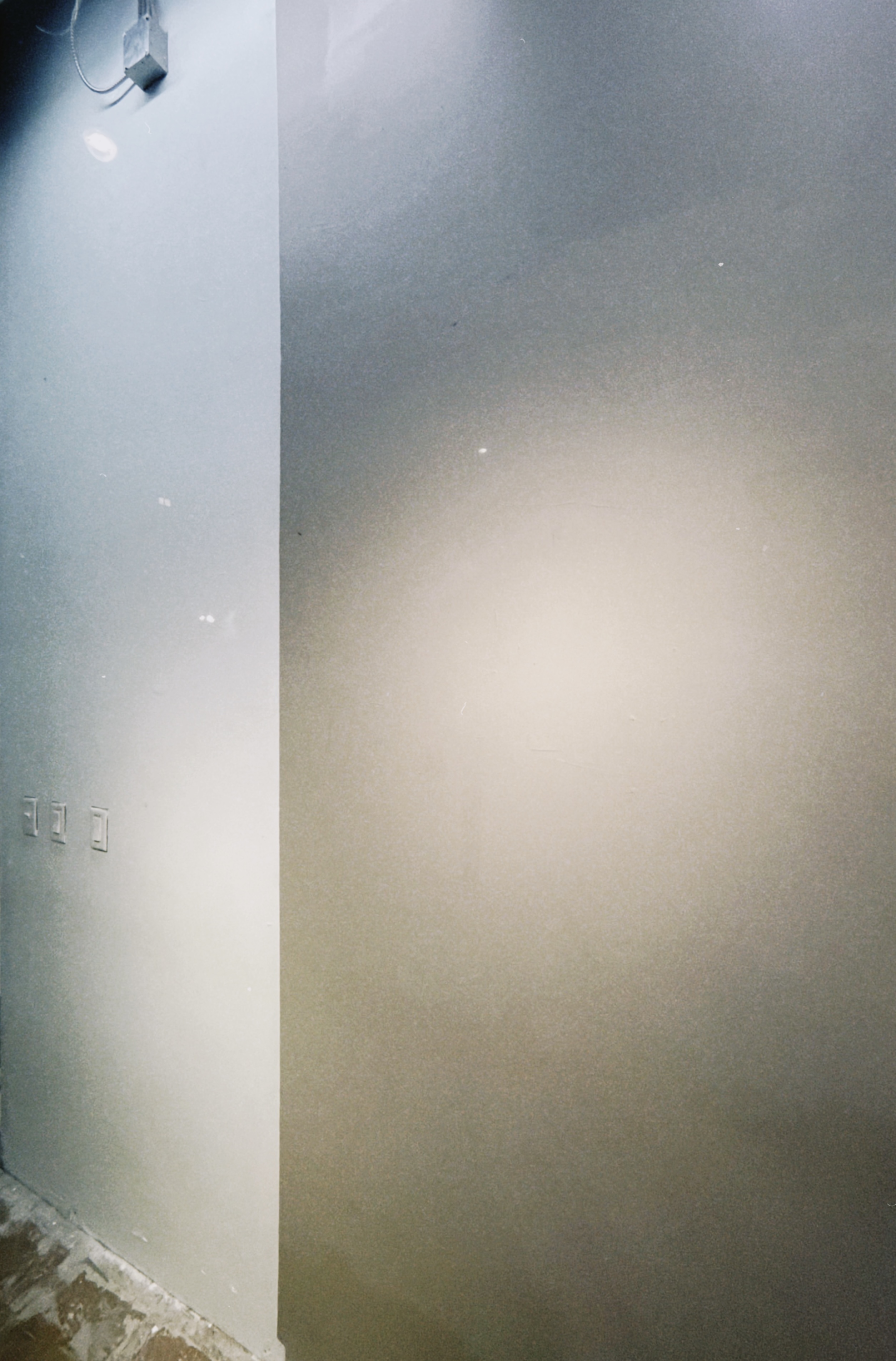 ︎︎︎︎︎︎︎︎︎︎︎︎︎︎︎︎︎︎︎︎︎︎︎︎︎︎︎︎︎︎
 more to come
first color: Morning Sky Blue
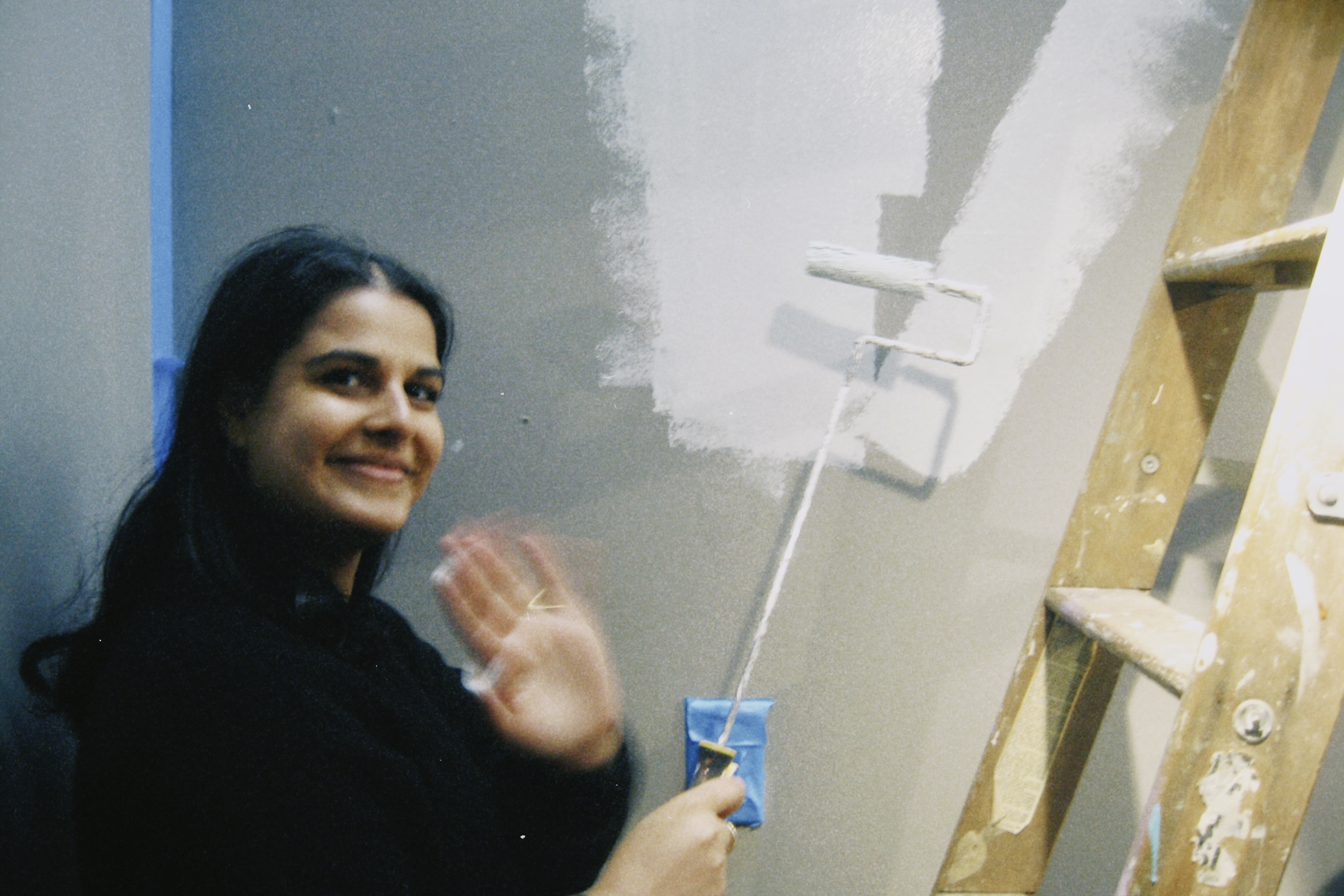
Installed on 1/16/2026
curate by Tessa Bachi Haas
with the support by
Nicky, Nami, Ayla, Cam, , Lexx, Yin Bin
Nicky, Nami, Ayla, Cam, , Lexx, Yin Bin
“I woke up on the first day of 2026 to a bright, blue sky. January in Boston is synonymous with grey, cloudy skies, maybe some rain or snow, waking up in the dark, and spending most evenings in pitch darkness. Winter is a time for slowness, rest, and coziness; to recuperate and reflect on time past, and to celebrate a year ahead. The first days of January embodied this. A blue sky does wonders for the mind and the soul, and we need everyday wonders more than ever...
Blue is the color of a perfectly new day. In Parsi culture, blue is associated with strength, good fortune, and protection from harm, manifesting in the use of turquoise as an embellishment for the home and jewelry. In the United States, blue workwear like indigo-dyed jumpsuits and denim was the norm because a) the dye was cheap and b) the color hid grease and dirt from manual labor, especially during the 19th century when daily washing was difficult. (Coined in 1924, this is where the term "blue-collar" comes from: the actual color of laborers' clothing).
Blue is both peace and action; rest and labor; stillness and movement; protection of self and others. I hope this particular shade, called "morning sky blue," provides space for visitors to reflect on these values as we enter a new year. “ - Tessa
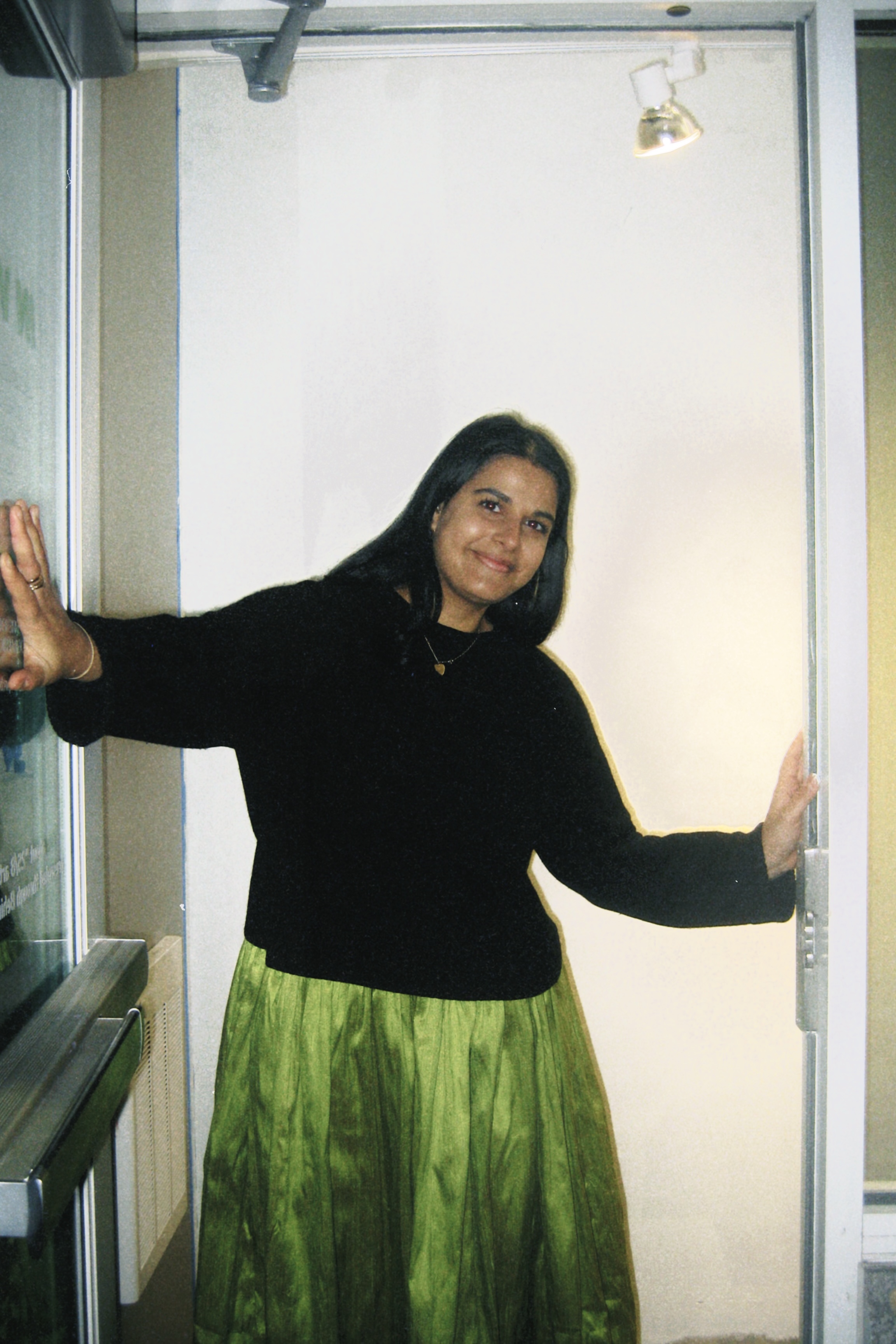
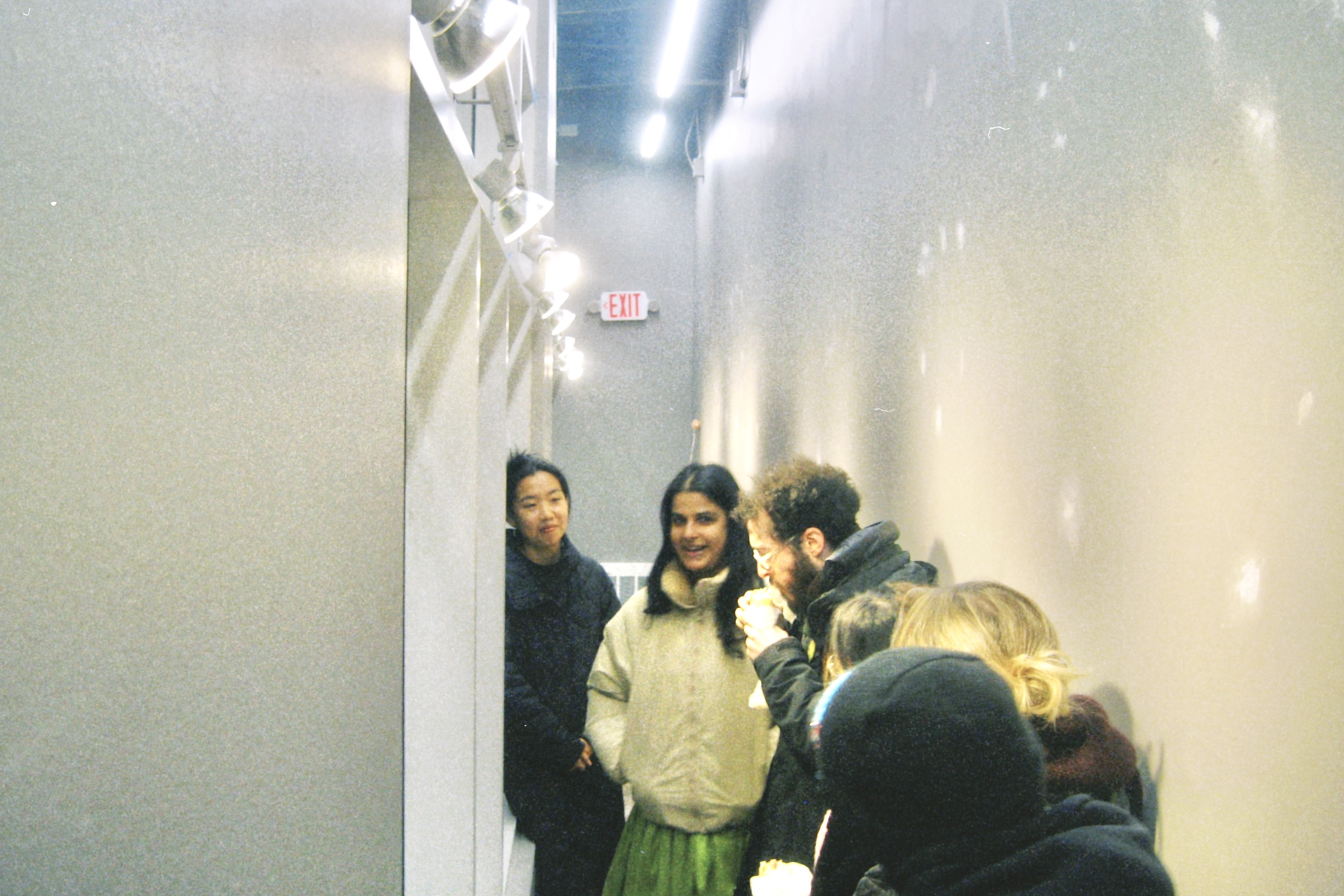
Tessa Bachi Haas is assistant curator at the ICA, where she has organized and supported over a dozen exhibitions since 2022. Tessa is committed to supporting local arts ecologies and fostering an expansive, global exhibition program.
Her recent projects include Christian Marclay: Doors, the 2025 James and Audrey Foster Prize, and the first museum survey of Derrick Adams. At the ICA, Tessa co-manages the museum’s publications program. She has previously held curatorial positions in Boston, Philadelphia, and Washington, D.C., and has contributed to many exhibitions and catalogues in these cities. Tessa is a Ph.D Candidate in History of Art at Bryn Mawr College, where she earned her MA in 2019.